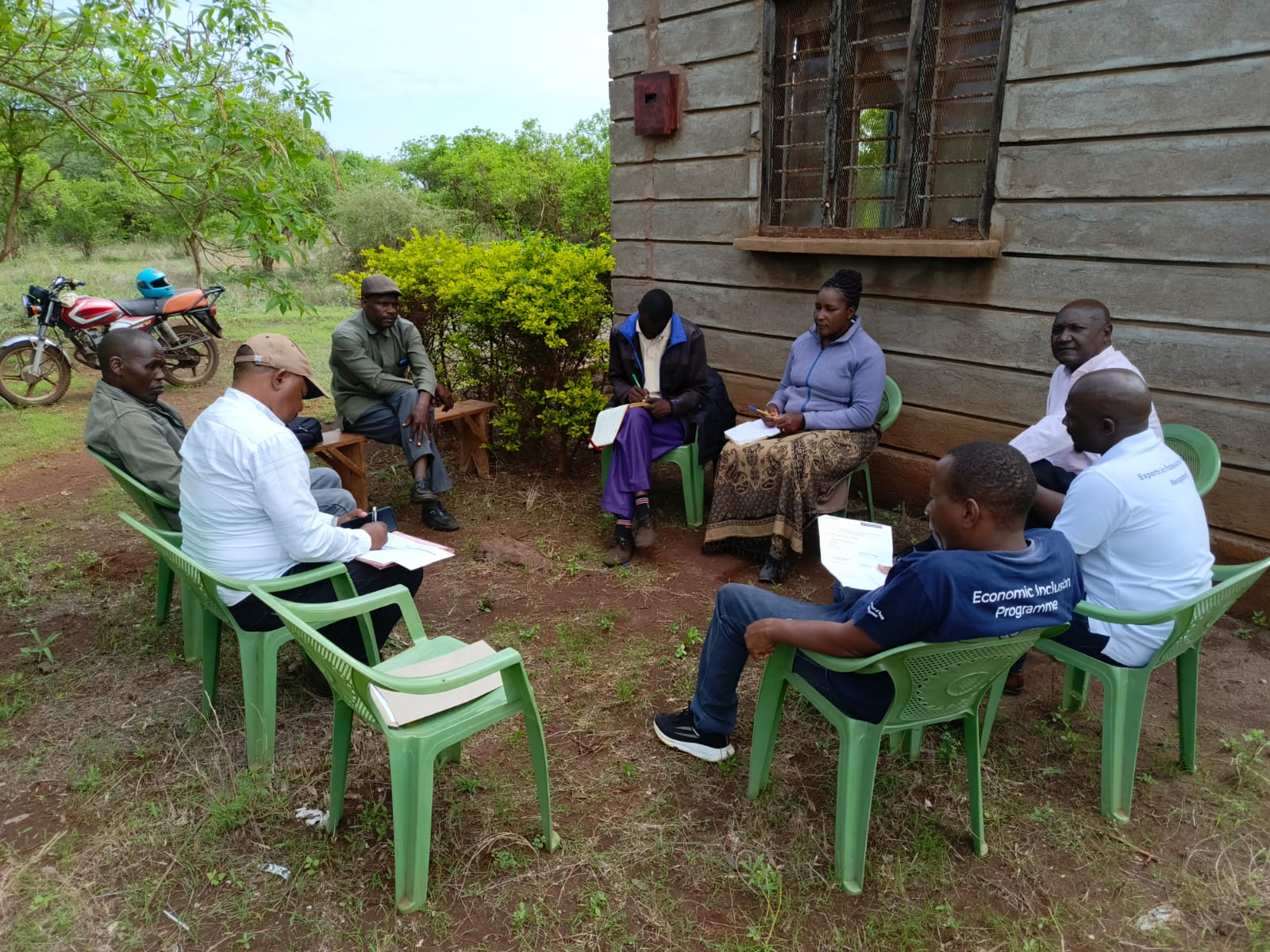
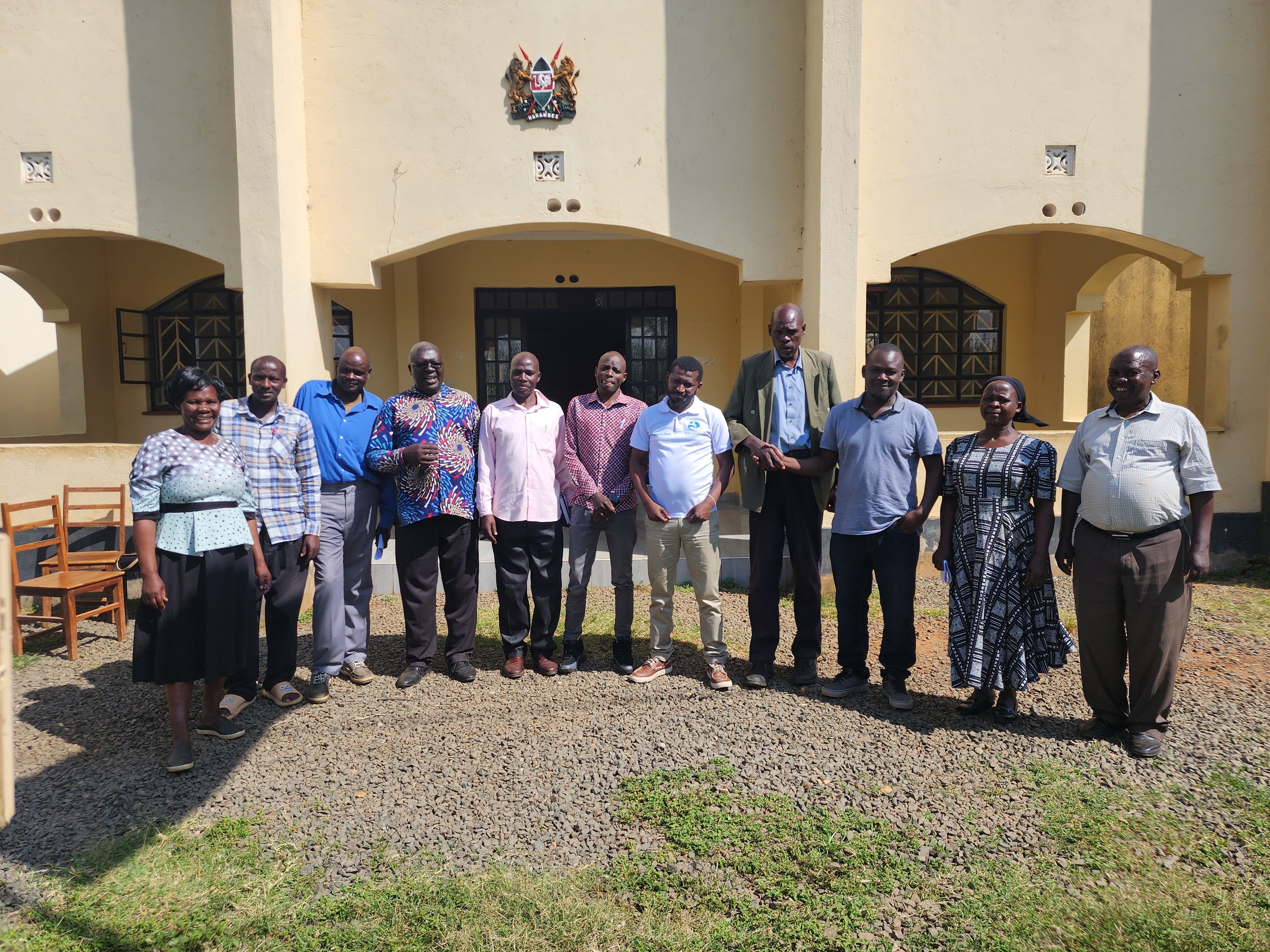
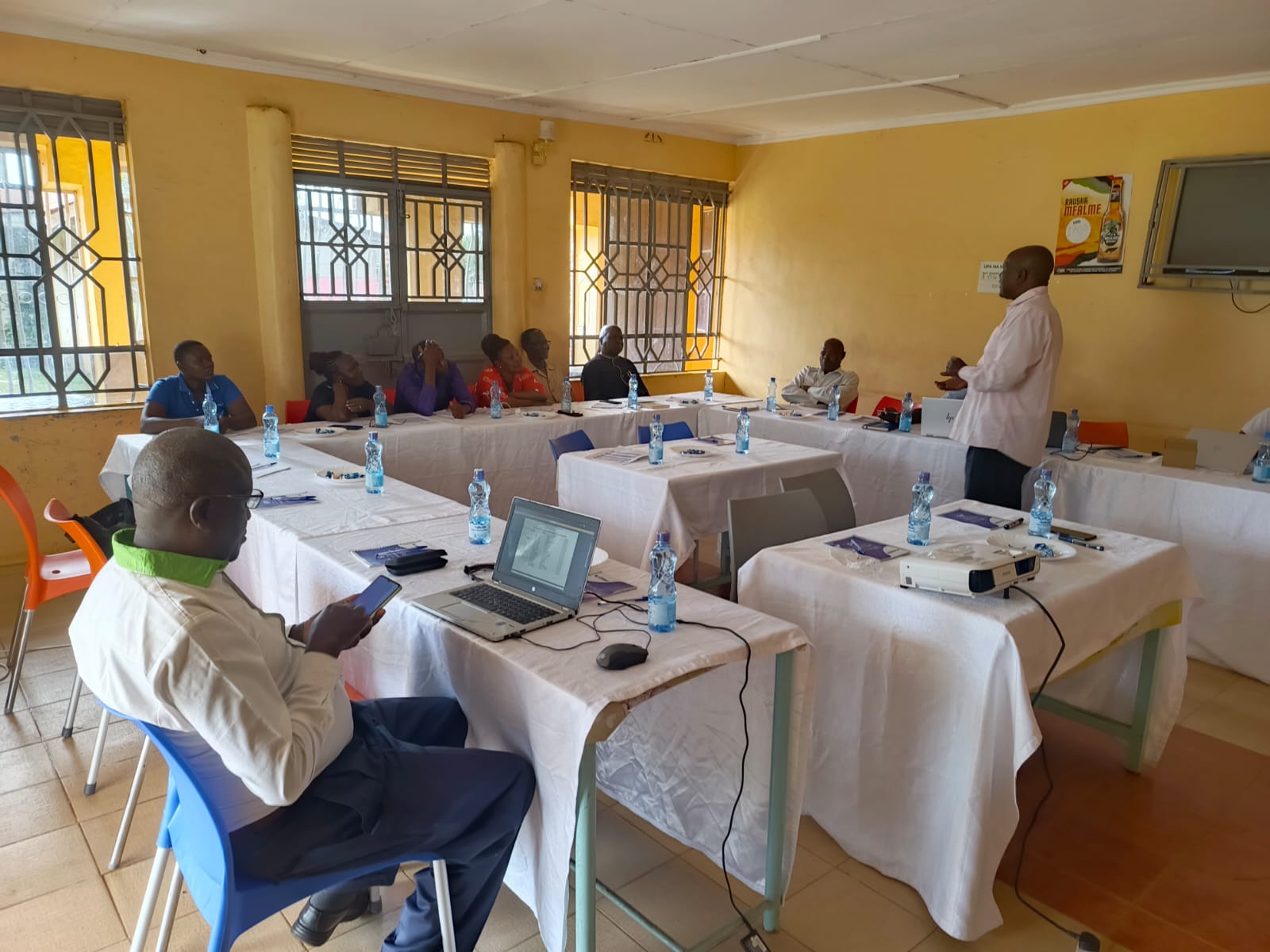
A share of every enterprise engagement funds our work with water utilities and Water Service Providers (WSPs) in underserved and marginalised areas — bringing the same governance discipline, IT baseline assessments and AI-enabled automation we deliver to enterprise clients to the institutions that keep water flowing but can't afford to buy that capability themselves.
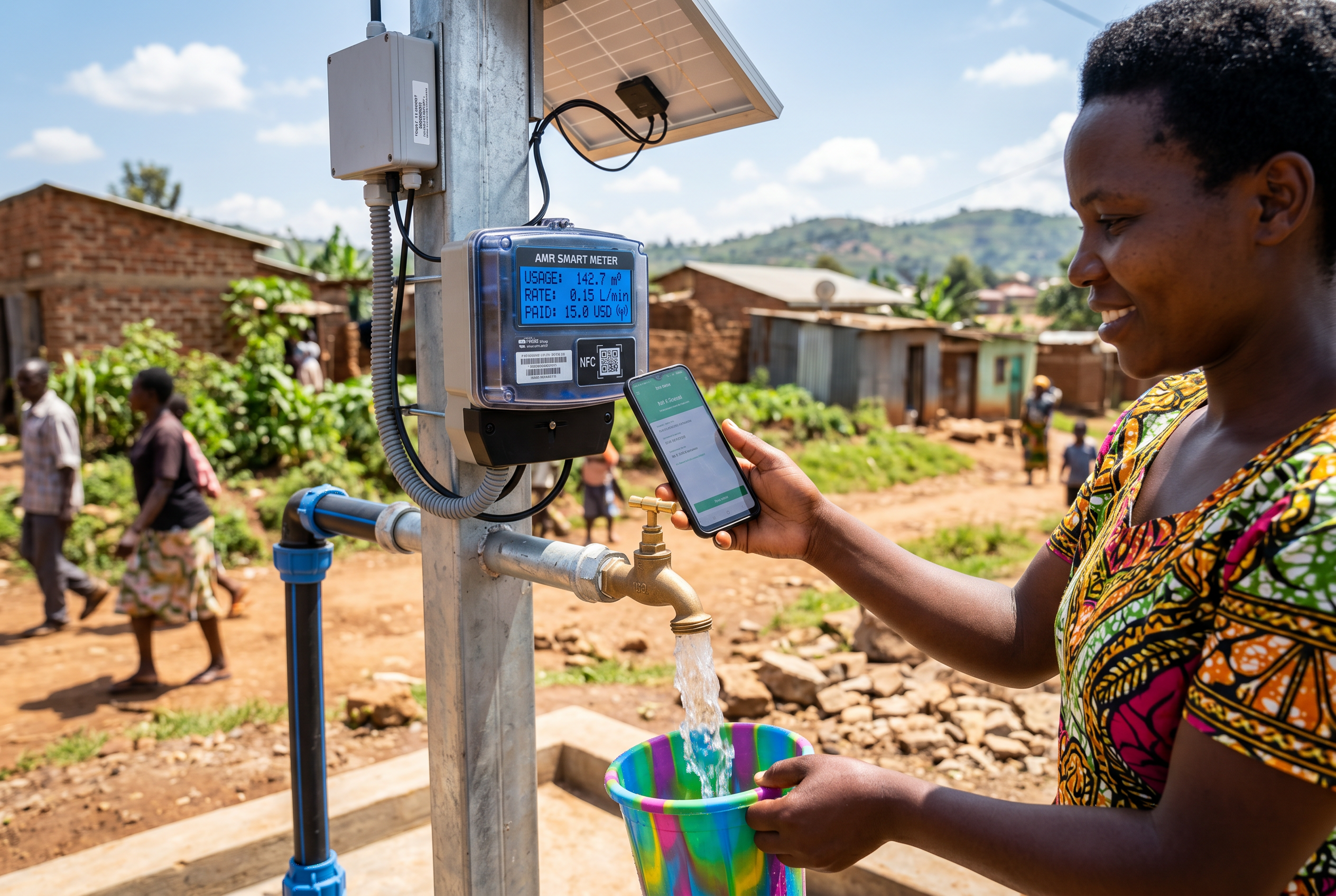
These aren't hypothetical risks — they're the recurring findings across baseline assessments of small and mid-sized water utilities and Water Service Providers. Most of them are governance failures before they're technology failures, which is exactly why an equipment donation alone rarely fixes anything.
Board and management oversight that exists on paper but has no real decision rights, reporting lines, or financial accountability in practice.
FINDINGNon-revenue water lost to both technical leakage and commercial gaps — illegal connections, meter tampering, under-billing — with no system distinguishing one cause from the other.
FINDINGManual, paper-based billing and revenue collection with no audit trail, making revenue leakage nearly impossible to trace after the fact.
FINDINGWASREB and regulatory reporting completed reactively before a deadline, rather than produced continuously from systems that already track the data.
FINDINGNo formal asset management or infrastructure investment plan, so maintenance is reactive and capital planning has no evidence base.
FINDINGCustomer data and billing systems digitised with no cybersecurity posture behind them — a growing risk as utilities move onto M-Pesa and bank-integrated payment rails.
FINDINGEvery water utility or WSP we work with goes through the same disciplined sequence — evaluated first, resourced second, trained throughout, and automated last, so the systems we hand over keep running after we leave.
We work with utility boards and management to establish clear accountability structures — decision rights, reporting lines and financial oversight — so technology has sound governance to sit on.
A structured evaluation of the utility's ICT environment and governance maturity — establishing exactly where systems, controls and reporting fall short before any equipment or software is deployed.
IT equipment donations paired with hands-on training, so utility staff can run and maintain their own systems long after the engagement ends — not depend on us indefinitely.
M-Pesa and bank-integrated billing automation that closes revenue leakage, paired with customer communication systems that keep consumers informed and utilities accountable.
Evaluate ICT infrastructure, governance maturity and billing & revenue-collection gaps on site.
Donate IT equipment and set governance structures the utility's board and management can sustain.
Train staff and management on the systems and governance practices they'll be running day to day.
Deploy M-Pesa & bank-integrated billing automation and communication systems, then hand over a utility that can run transparently on its own.
Governance advisory, IT baseline assessments and billing automation for underserved communities.